


Sometimes a sponsorship goes wrong, for whatever reason, but I personally never thought about this much until Covid hit the world. During that time I was sponsoring a child through Children International, Zoya, from India. Zoya was sweet, studous, living deep in an unregulated housing area, with her mother, father and older brother. She was an art chick, all the way, in a system designed to focus on the practical, with an older brother who was taking all the resources of the family, as is typical of the region. When the world shut down I sent money every month, which many sponsors did, to keep their sponsor families fed and with what they needed. But this sponsorship was fairy new, under a year old, the father was uncomfortable with accepting the money, and I did not learn that until a few months in, he refused to accept the money.
I really just wanted to help, and had assumed, based on how I saw some other sponsors doing things, that this monthly cash infusion would be welcome, but instead all it did was alienate the family. When Zoya’s father refused to accept help it was a bit of a shock— no one had ever heard of a family doing that before. I pulled back a bit, but the damage was done, we never got close, Zoya’s letters became remote, formal, the door was closed. The family had decided I was trouble— possibly they saw it as a white savior complex, which is fair? I mean, I did not think of it that way, but from their perspective, I can see the lens.
Eventually I found another sponsor to take over for me, I wrote a letter of introduction, stepped back, let go, and let the new sponsor get on with building the new friendship. Sometimes the new sponsor would email me with updates and a new photo of Zoya, which was most welcome, and let know she was doing well, rocking school, generally growing up into a lovely young lady. It was bittersweet, but I felt good about things as the sponsor and family built the relationship that we had failed at.
This experience, a “failure” in the eyes of the traditional sponsorship community, where success often means longevity of sponsorship, or goals attained, ie the child converts to the sponsors religion, or the child clearly excels at something the world values, helped along by the sponsors interest, advocacy, or funding, propelled me to start really looking at the social science of sponsorship— how does it really affect families, help them, hurt them? What are the long term benefits or perils? What _really_ helps to alleviate poverty? What works?
I learned through this that families like Zoya’s don’t necessarily want someone throwing cash at them, that in some situations it can make their lives harder, through jealousy or social pressure in their community. I learned that just money, in general, is not enough. And I learned that there is a huge controversy surrounding the traditional model of child sponsorship, and that there are good reasons for that controversy. I also learned to walk softly, to go slowly, not to “love bomb” a child and family, to allow the relationship to build slowly, over time, with trust and consistency, and that through this approach any help I gave would be more meaningful, better thought out, and much more effective.
I learned, in short, that I didn’t know anything except what the advertising told me, and that sponsorship is deeper and vastly more complicated than I had spent the previous 15 years considering it to be. To see what some of the negative opinions are, just Google (only don’t use Google, okay peeps? They are a deeply unethical company, so go with something like Duck Duck Go. Trust me, you’ll thank me later) …just look up, “sponsorship controversy” and you’ll get a slew of articles talking about the negative effects of this way of giving. It’s good to take a look at both sides. And remember as you do this— there’s plenty of evidence that sponsorship has many, many benefits as well. So much is how you approach it, life is nuanced.
And Zoya, that sweet girl, I remember her well and with great affection. I hope she’ll have a remarkable life. Because I also learned that even though a sponsor may give up a child, they still always care about that child. There’s a connection thats deeper and often unexplainable, and that does not disappear just because the relationship ends.
Here are some articles to read and think about—
They are largely critical. I agree with some perspectives and not others, obviously I believe there are more positives than negatives, since I’m still doing this, but its good to challenge ourselves by looking at things we would prefer not to, it keeps things fresh. There are a billion other articles, from both sides, I encourage you to explore them. How can we help if we are ignorant or misinformed? If nothing else, knowing some of the perils of sponsorship will keep you from falling into some of the pitfalls.
https://www.bbc.com/news/uk-22472455
https://theconversation.com/why-its-time-to-end-child-sponsorship-190407
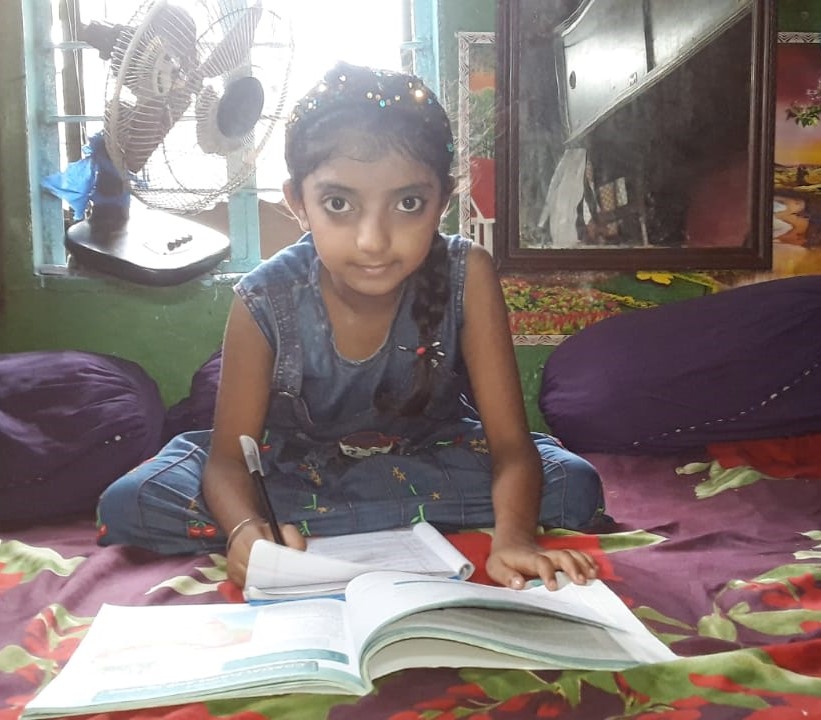
Wherever you are in life, sweet Zoya, I am sending you love.
Because of you I am a much better sponsor now; I thank you for that gift.
 Hugabugga
Leave a comment